SABR vs Conventional Radiotherapy: Which Patients Benefit Most?
Radiotherapy has split into two quite different approaches over the past two decades, and patients facing a treatment decision are increasingly asked to choose, or at least understand, which one applies to their case.
Conventional radiotherapy delivers smaller doses over many sessions, sometimes daily for six weeks or more. Stereotactic ablative radiotherapy, SABR, compresses treatment into a handful of highly precise, high-dose sessions aimed at a tightly defined target.
Weighing SABR for Early-Stage Cases
For patients diagnosed early, particularly with small, localised tumours where surgery isn't an option due to other health factors, SABR has become a genuinely preferred alternative rather than a fallback. The reduced number of hospital visits alone, often five sessions instead of thirty, matters considerably for patients managing work, childcare, or travel distance to a treatment centre.
Recovery experience also differs meaningfully between the two. Patients who complete a SABR course often describe fatigue that resolves within one to two weeks, compared with a longer, more gradual recovery reported after a full six-week conventional course, though this varies considerably by tumour site and individual tolerance.
For more detail on eligibility criteria and the typical treatment sequence, see the clinical information provided by Dr James Wilson here: https://drjameswilson.co.uk/treatments/stereotactic-radiotherapy/
How the Two Approaches Actually Differ
The core distinction is precision versus fractionation. Conventional radiotherapy spreads a total dose thin across many visits partly to let healthy tissue recover between sessions. SABR instead relies on advanced imaging and tighter targeting to deliver much higher doses per session without proportionally increasing damage to surrounding tissue.
That precision is what makes SABR viable at all. Delivering conventional-style high doses without SABR's targeting accuracy would risk unacceptable damage to nearby organs, which is why the two techniques aren't simply interchangeable versions of the same idea.
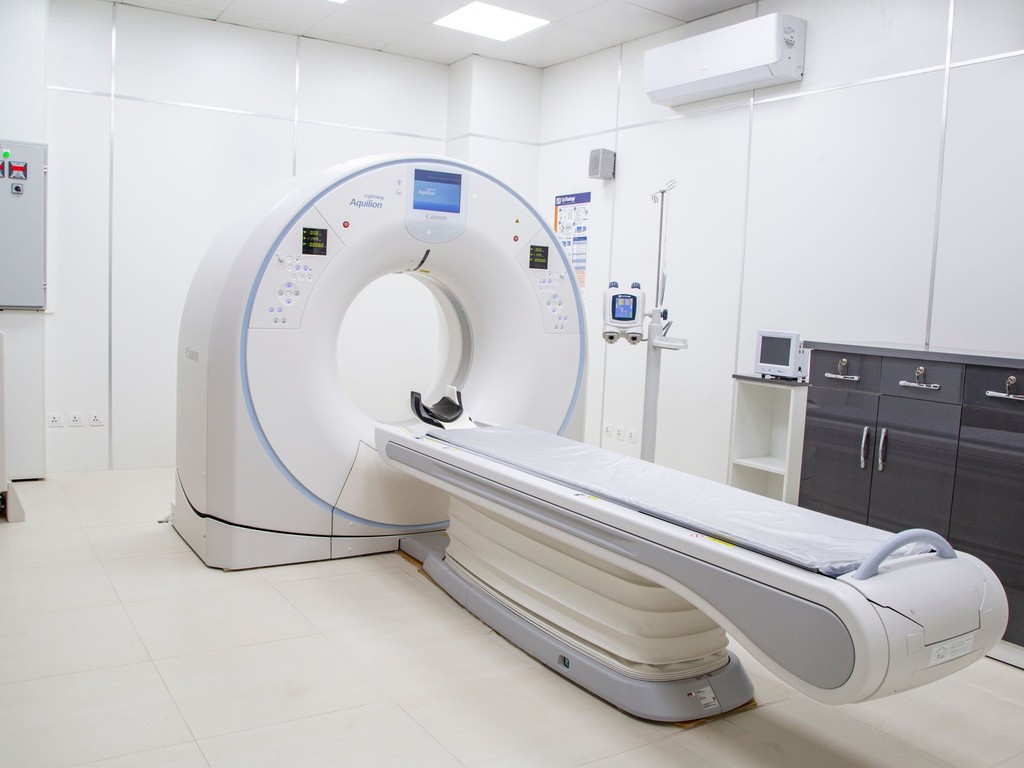
The imaging technology behind SABR matters as much as the radiation delivery itself. Real-time tracking systems account for a tumour moving with each breath, adjusting the beam or gating delivery to only fire when the target is in the expected position, which is part of why SABR requires specialised equipment that not every radiotherapy department has installed.
What the Evidence Shows on Outcomes
A systematic review of outcomes following stereotactic ablative radiotherapy found conventional treatment was associated with a higher risk of grade 1-2 toxicity, including oesophagitis and pneumonitis, alongside worse treatment outcomes in several of the studies reviewed.
A separate randomised trial reported in the Journal of Thoracic Oncology found patients assigned to SABR had superior freedom from local failure and longer overall survival compared with conventional radiotherapy in early-stage lung cancer, a result that has shaped how clinicians now discuss the two options with newly diagnosed patients.
These results have real staying power because they come from randomised comparisons rather than observational data alone, which is a meaningfully stronger form of evidence in oncology research. That's part of why SABR has moved from an experimental option a decade ago to a first-line recommendation for eligible early-stage cases today.
Where Conventional Radiotherapy Still Makes Sense
SABR's advantages come with real constraints. It's generally reserved for small, well-defined tumours where the target can be precisely located and tracked despite normal breathing motion, which rules it out for larger or more diffuse disease.
Conventional radiotherapy remains the appropriate choice for many patients with larger tumours, disease that has spread to nearby lymph nodes, or cases where the tumour sits close enough to critical structures that SABR's high per-session doses would carry unacceptable risk regardless of targeting precision.
Tumour location relative to the spinal cord, major blood vessels, or the airway often decides this question before tumour size does. A small tumour sitting directly against the oesophagus, for example, may still be steered toward conventional fractionation specifically because SABR's dose intensity in that location carries a disproportionate risk of damaging a structure the patient needs functioning normally afterward.
What Patients Should Actually Ask Before Deciding
The most useful question isn't which technique sounds more advanced, since SABR's precision doesn't automatically make it the superior option for every case. The relevant question is whether a specific tumour's size, location and stage make it a technical fit for SABR at all.
A second useful question concerns access. Not every radiotherapy centre has SABR capability, and travel distance to a centre that does can sometimes outweigh the marginal benefit over a well-delivered conventional course closer to home, particularly for patients balancing treatment against other daily responsibilities.
A third question worth raising directly: what happens if the tumour doesn't respond as expected. SABR's compressed schedule means less room to adjust mid-course compared with a longer conventional regimen, so understanding the fallback plan before starting treatment avoids a difficult surprise later if imaging shows an incomplete response.
None of these questions has a universally correct answer, which is precisely why the decision belongs to a conversation between patient and consultant rather than a general comparison chart. The right radiotherapy approach is the one that fits a specific tumour, a specific patient's other health conditions, and a specific set of practical constraints, all at once.